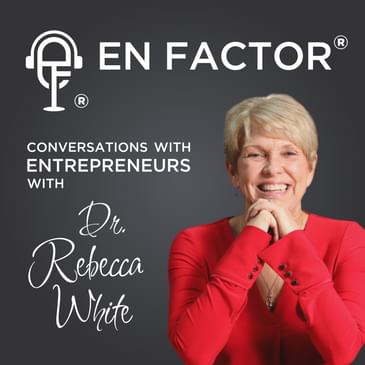

In this week’s newest and powerful episode of the En Factor, we welcome Mark Steenbarger and dive into deep discussion with his venture, Point of View Story. Mark’s unique background as a software developer and earning a Masters of Fine Arts back in 2021 has led him to create an innovative approach to healing from complex trauma through immersive films. Point of View Story allows viewers to engage deeply with the films, helping them access their own feelings and beliefs to aid them in their healing journey. Operating as a social enterprise, Point of View Story combines artistry with technology, offering two to four curated films each year through a subscription-based platform. These films, designed to help those affected by violence and commercial sexual exploitation, are accompanied by psychotherapeutic content created by a licensed clinical social worker. Join us as Mark shares his entrepreneurial journey, emphasizing the importance of focusing on a niche market, as well as the value of networking and building industry connections. You won’t want to miss out as Mark discusses the challenges of staying focused, the necessity of perseverance and resilience in overcoming failure, the significance of curiosity, remaining in the present, and finding value in every interaction.
Key Words- Arts Entrepreneurship, Resilience
[00:00:01] So the winds are big winds celebrate those hard tell your body this this was worth it And then I'm you know a buddy of mine said that's this morning goes it won't With it's hard and it won't get easier, but it will get better
[00:00:21] Welcome to the En Factor conversations with entrepreneurs who started stumbled and succeeded I'm Rebecca White and I'm very pleased to welcome to the show today Mark Steenbarger Mark is the founder of Point of View Story
[00:00:37] He's a software developer who went on to get a master of fine arts and so he's a creative filmmaker and a self-described Moment maker, so I'm very excited to dig in and find out more about what it means to make moments and how he
[00:00:55] found his way from software development to point of view story which Has a very Powerful mission about helping people heal so mark. Thank you for joining me today Absolutely. Thanks for having me like that's great to be here. Yeah, so I I'm I love your background
[00:01:14] I love to talk to people that have a wide variety of experiences as you you have They usually always have interesting stories and based on the name of your your Your your endeavor your venture it sounds like we have a common Common value on telling stories, so
[00:01:38] Let's get started by first of all talking about what is point of view story? What do you do and and what is this company all about? Yeah point of view story Actually, it's a pivoting of a comedy truth by starting to call point of view comedy and
[00:01:58] but the The notion of it is still there where even when we're doing improv comedy We wanted it to be from the audience's point of view and now as we transition to film and not always being comedic and nature a little more sober
[00:02:17] And subject matter the idea point of view story telling Creating moments and film where it allows the viewer to put themselves into the story And it really is a process in a reflection of their point of view in the story so pretty story just made sense and
[00:02:37] So that's that's kind of we named it but the idea is Somebody's gone through a horrific experience like complex trauma Specifically in our case it's around those who have been harmed by violence and the commercial sexual exploitation
[00:02:55] the healing journey can be really difficult and a lot of concepts of just what's happened mentally Make it really really hard to access some of those feelings or some of those beliefs those help beliefs and film and stories
[00:03:08] specifically every film is just the medium. It's the story that Well, it's both but the story allows the viewer to be able to Identify access experience relate to things that normal top-down type therapies or modalities can be not as effective
[00:03:28] Also complex trauma is not as well developed in terms of modalities like we do for PTSD or some of the other things out there so It's great to bring film to the table and then film itself as a medium does have other properties like the seven types of
[00:03:48] intelligence that brings the containment that it brings individuals and of course the music and the score and the sounds and So all the things that engages the somatic component of it too So from really does bring a somatic piece while also having a conversation route
[00:04:06] Lova that top down so it has kind of best of both worlds I think is I think was about it keeps the score somewhere I said we only have three choices top down bottom up in medicine
[00:04:19] And I mean nothing wrong with medicine, but if we can create somatic experience that can unlock somebody on a human journey That's what we want to do. So I teamed up with an LCSW She has over 11 years of experience I bought a eyeball with survivors
[00:04:32] And so she and our membership community helps craft these short films that we create that are narrative meaning fictional That runtime is on average just five minutes because it's the conversation that happens after watching the film The magic happens Wow, wow, okay. So there's a lot in there
[00:04:52] I'd like to learn more about and I think most of our listeners would as well I definitely want to get into the Business side of the arts as well, but before we do I want to ask you I've got several questions on my mind The first one is
[00:05:11] How did you find your way to I saw that you had a software development? Degree and background and work and then you went and got a master's of fine arts and for people who don't know that's that's a you know, that is a
[00:05:31] Terminal degree really in the arts field. So I don't know if you are you were headed towards teaching or if this was actually Which it sounds like you you're doing that actually in what you do But how did you find your way?
[00:05:46] And what led you to this where they're where their personal experiences that you had or Other parts of your story that you'd be willing to share. So yeah You know when I was in high school I will just say I was in the 90s and live it
[00:06:06] The menu wasn't very brought in, you know, it's just a classic school things and Fortunately though programming computer program was on that list and it was something I enjoyed it and was decent at grade-wise so let's pursue that and I
[00:06:23] Really enjoyed the logic side of things and solving problems And so I just made that my career film and and I think even to this day Definitely when I was younger arts was not a profession to consider
[00:06:35] it's just starving artists right that was a and to make a living as artists was so discouraged I didn't even consider it and So I went with the popular menu of the science maths, you know literature and stuff
[00:06:52] so I went with pure science and I pursued it went to got a bunch of science degree from Taylor University and then Entered the workforce straight in and did it for 29 years But under the current of all that I was also enjoying performing
[00:07:07] I did a in-prob audition at college and I failed horribly but I was Elating it was just an amazing experience. So after college I just began to get my feet wet and live theater community theater
[00:07:23] Taking classes in the you know, it's kind of weekend warrior type approach to it And that's where I just love moving an audience and it was my wife Joe who said you
[00:07:35] Because that's something like my Alex I like theater but I also like improv and I was doing stand-up and I was like am I just a guy who can't commit to a path and my any of type grams number seven
[00:07:49] They just can't finish this but my wife said no you're you you love creating moments And that's what ties it all together. I was like how that feels so right and it was it was just creating moments for the audience
[00:08:00] And so parallel to that she was starting in around 20 16 2018 She was working with traffic to youth here in Indianapolis And as I began to get educated on what's really happening because I did not have an accurate view
[00:08:16] I as soon I heard that term as soon as something overseas I did not think there was something that was in my own backyard and As I began to learn about it
[00:08:26] My heart was just moved and I was like how can we create a moment for them and Obviously, I can't go into do a live performance. That's not scaring or you know from a business perspective not very
[00:08:38] Viable what film is we can send film into a healing center agency and I didn't know this either but there are hundreds of these Homes around the country and around the world where survivors get to live and get restored Typically a two-year program some or less someone longer
[00:08:57] Where somebody come in all that life gets be a quit and gets to heal and so that's our partners That's where we're sending these films into to create these moments So
[00:09:09] It's interesting because I do feel my two worlds merge and my day job was being software working in like FDA type work And in the evenings and weekends doing stand-up So it's a great film you need that artistic piece, but he also need that tedious
[00:09:26] ability to do run software in the editing room and make sure your quality is there and so testing and and refining is is a tedious and Sometimes numbing experience that you got to keep pressing through so I really felt both worlds just really kind of merged
[00:09:45] And I'm so grateful to be able to do this work. Yeah, I love that story And you know for anybody that's listening and we do have a lot of students that are listening and and as an educator I find that
[00:10:00] You know many of them know they want to do something transformative but they were transformational for others and for themselves, but they don't know Where that is and you know, I'm a big believer in the intersection and where we find creative outcomes or is in the intersection of
[00:10:22] Disciplines and so I think you know and and what's interesting is you couldn't have known Where this was going to take you you had to be able to kind of go with it And and your software background, you know in today's world
[00:10:39] Virtually every business is technology enabled. So it's a great place to start Yeah, and then I've a piece that just came in There's my wife said you can't you too filming so I had You know some stage experience. It really was getting some formal training and the
[00:11:02] College of Fine Arts in Vermont is a great VCFA is a great program where they it's a mentor type arrangements so I What a great way to learn than have a successful filmmaker kind of working over your work and mentoring you essentially for two years
[00:11:17] So that's why I pursued the MFA just to kind of catch myself up on the film specific art To to merge it with the yeah, yeah I think education from the time I was in school anyway, and that's been a long time ago
[00:11:33] But as an educator we have become more and more applied in the way we teach and especially in In fields like entrepreneurship or in many of the arts. Of course, it's been probably more applied
[00:11:44] But so I love I love your story. I think it's really fascinating and I have to ask about the improv side I just can't let that go You know it that would be one of the scariest things in the world for me
[00:11:59] How does it feel like to get up there and you said you failed miserably? So I just have to ask about that what what's it like to do improv and do you still do it and and
[00:12:11] You know, are you just the person at a party that can always come up with the right response because I never can Yeah, so that audition I in college was was a fail Experience but it like I said it lit something inside me
[00:12:26] And so I went and got training comedy sports. They're around the nation and there's one here in India I took training from them Got on board there and then eventually branched out on my own and
[00:12:39] I would say that decent edit it's and there are rules to it to improv this idea of yes, Andy and Once not a point of view comedy kind of sets that we were beginning to pivot to point of your story
[00:12:53] I'm all I have for now would go into a recovery home here and indeed for women coming out of addiction or coming out of incarceration And so we just provided it as kind of a tour with improv historically was a teaching tool for actors
[00:13:09] That it was the performance value was or the attainment value It was discovered later and then we have whose line is it anyway and all those other stuff But you know kind of commercialized it but it was a training tool in the beginning
[00:13:22] And so like to bring that into a space like that. We were able to Share in a very fun and engaging way Things like yes, Andy like if you can do that Not only a party or social settings
[00:13:34] but if you go into an interview or if you can go into a relationship and and just use some of those tools that Can actually help you succeed in places when perhaps your your experiences kind of created
[00:13:47] Protective factors or something of that nature where you may not respond as well so we're on them with those tools and improv does well and Yeah, there's just some core rules that if you commit to them
[00:13:58] They kind of they kind of work out for you and you do get you get some fun And some memorable moments for sure That's you know that yeah, I think that's something I want to learn in my
[00:14:09] In my encore because you know, I've done a little bit of you mentioned yes and Eung yes ending but it's basically as I recall You know, so you say something and I say yes and and it leads us down a path
[00:14:23] And as you know those rules of improv and I'm walking in and working with those Individuals that had had been through a lot of trauma I can just imagine that you know a few minutes of relief
[00:14:39] because your mind is is probably occupied and and I live in Tampa, Florida right now and there is a huge problem in some of this part of the country with trafficking as you know Oh
[00:14:55] And it is shocking sometimes to know that these kinds of things go on in our backyard. So I just commend you for that and I You know, I just find it fascinating and it's it's interesting almost everything that people do there are some rules, right?
[00:15:11] And that can be learned Yeah, so music. I mean we're all familiar with music We're all spicy in a score or some sort of music based club trouble club at some point in our lives
[00:15:22] And if you think about there's there's a very finite number of notes, you know ABCDFG that we use and all the music is Written and scored and composed with just those Now there's the sharps on the flats, but that's a pretty pretty small set of
[00:15:42] Rules if you will or are notary public loan signings maybe yeah variables. And so for them to Create the music that we have is amazing. So yeah to always compare it to something like that
[00:15:55] Yeah, I think we'll have that experience and film too like there's I'm also a screener for a local festival And it's my continuing education. I get to pre-screen a couple hundred shorts a year And just like why does that work?
[00:16:10] You know what how do we when we try to tell too much or we say too much instead of showing it? You know all those types of little
[00:16:18] Rules or conventions can really help increase the story Robert McKee has a lot of material good materials on the rules of Storytelling that are invaluable. Yeah, and you kind of as you learn those that then
[00:16:32] Also rules when you know when to break them then that's also effective, but you have to understand them Absolutely, and you know as I'm listening to you I'm getting excited about thinking about bringing this into my graduate class because I
[00:16:47] Have I've seen a few people do it, but I've been afraid to but I'm gonna go I might offline get in touch with you about learning some of these rules Yeah, so thank you. I always learn some so much from all my guests. So I'm excited about this
[00:17:03] I want to get back to what you do at point of view story is Point of view story a for profit or a not-for-profit Yes We are So social enterprise isn't illegal status, right? but and I don't know how you would define it but
[00:17:24] There's a website good market they acknowledge us as social enterprise and and for me it is it's we are You know on the books were an LLC We're doing all to
[00:17:35] Autoristic work, and then I do have a fiscal agent so for those not familiar with the fiscal agent It is their mission is to support filmmakers. So they are a 5-1-c 3 and so folks can donate
[00:17:49] To them to my fiscal agent and then that's allows them to disperse dollars to us for our operation costs of creating the films But but the data is all see yeah
[00:18:02] Yeah, and and as you point social enterprise it does vary state by state in terms of the legal Entity and description of it But there are what I can tell you among a lot of the young entrepreneurs that I work with is they often have a social mission
[00:18:20] and they learning about social enterprise versus You know a not-for-profit an understanding that a not-for-profit is is really a tax Status and not easy to get but you could still have a social mission and you can still have a primary goal of
[00:18:42] Transformational improvement change in the lives of others You know and have a business that that actually has can be profitable And what you do with that is a entrepreneur is up to you right?
[00:18:54] I mean you could still you can still make beef a philanthropist and change the world There's a lot of a lot of ways to go about making a difference in the world through Yeah, very much. So yeah Yeah, NGO overhead right now it is myself and
[00:19:11] LCSW that I work with Emily Taylor ginger and then our crew which is just one word Filming and we do meet you know as we're creating the scripts and things of that nature
[00:19:21] But we're small like so getting aboard and just a lot of NGO overhead didn't make sense Yeah, so yeah, so enterprise model with a fiscal agent seems to fit pretty well Yeah, so an OS an OCSW a form of social worker, right?
[00:19:38] So tell us what that is and sorry L is in there. Yeah, LC SW LTSW Okay, L Charlie as they're so licensed clinical social worker So Emily has her master's of social work and then L part comes it's a licensure
[00:19:55] That folks can get it's I'm not obviously taking a test, but I'm told it's it's like SAT times two and It is an exhaustive test and there's prep work. Obviously you have to go through before but once again the other side
[00:20:10] You have that licensure to be an LCSW So she has a master's degree and this licensure which is pretty popular in the medical world for therapists and counselors and there's others too there's MHLPs and yeah, there's a lot of a lot of them
[00:20:29] Yeah, and then she just personally chose to pursue this Population almost directly straight on the college. And so now she's a private clinician in Austin, Texas and seeing her own clients directly so she I
[00:20:48] Connected with our here in Indianapolis when she was working for an actual agency one of our members and then she transitioned to that in Austin, Texas so that's that's her background and It's invaluable for us to understand where where somebody going through this experience
[00:21:04] Where do they get stuck and where they get stuck is a great opportunity to bring a film in to help them be able to process that So like choices for example Somebody who's gone through a horrific experience like that can outweigh too much
[00:21:17] And so they just tell themselves well, it's my fault that I got Duped into trafficking. It's my fault that I went to that party where I met him That's my fault my fault and that's really hard to convince otherwise even know not what you say to them
[00:21:33] It just falls on deaf ears But if we can show a film where they connect with a character and What a facility would do is like is it hurt fault that she fell asleep on the bus?
[00:21:43] Is it hurtful that they can find compassion for that person and then they're able to change the conversation and in that simple one off Move we're seeing a lot of folks get unlocked and they'll realize the way that it wasn't my fault
[00:21:59] And then they're able to move forward and get some healing from that. Yeah, that is so powerful and so interesting So so How does this work for you? So I'm just curious about the whole side the business side as well as the production side Do you actually
[00:22:18] So does your partner the social working partner? Do they do they reach out to you? Does she reach out to you and say I've got a need for a film in this space and you create it uniquely Do you create a catalog of these films?
[00:22:34] And and do you sell them one by one and is it you know, do you? How do you make money with this too? So I'm curious about both sides. Yeah And those were all things we considered everything on them and so where we landed is
[00:22:50] The catalog approach so we so there's a third party tool called you screen the letter you screen And they provide a paywall where you can host your good your visual content. So
[00:23:02] Emily works shoulder-to-shoulder with me on an ongoing basis and we're creating two to four films a year that would continue to add to this catalog So then our members and our agencies pay an annual subscription to get access to these films
[00:23:16] And then she creates all the psychotherapeutic content that comes with it So what questions to ask what does readiness look like? What are outcomes of each these films and get really in the clinical space with that?
[00:23:30] And so what film do we make next is really her ultimately her call but she's listening to our members and Her own experience in those clinical rooms like where am I seeing folks get stuck and then we go and we'll create that film
[00:23:45] We share we share the concept with our community so they can speak into it help us shape it and then I go I co-write it with my actors crew and then we'll execute and actually produce the film
[00:23:58] And and then once we complete it we add it to the platform We're currently at 10 and counting. We were shooting number 11 as we speak last weekend at this weekend And we'll have a 12th one We're doing two actually as we speaks number 11 number 12
[00:24:15] And they'll be available like by October mid-delay in October And then we'll also already been starting on number 13. So constantly creating two to four a year adding them to our catalog and then members pay an annual subscription of $2,100 a year that gets access to those films
[00:24:36] Yeah, and and she also then facilitates just like the onboarding and we do monthly Film reviews where we kind of break down a film show the beats of it and the clinical values and the great talking points
[00:24:49] So yeah, she's very much a part of it and helps me curate the content And it's but if you Google cinema therapy, you'll see there's been this idea of taking a movie clip and put it into a therapeutic
[00:25:02] Setting and so I think what we're doing that we haven't seen anybody really doing this Well, we're actually creating and curating the content from scratch with this in mind So if you take a clip out of inside out, it's a great movie for this type of work
[00:25:17] Good. Well, honey has great moments. You could harvest out But those films weren't made with the therapeutic audience in mind And so we are and but taking that same idea and then also just making it
[00:25:30] More turnkey where you can just log in click play and you get to watch your five minute film Wow, I love this and that from a business perspective that makes so much sense. I think You know again
[00:25:44] I go back to my background as an educator and I've used film and excerpts from film and Podcasts and all of that, you know, but it's it's partly why I create my own podcasting Do my own podcasting because it was always kind of hard to find
[00:26:01] podcasts that were exactly What I wanted so it's you know It's I enjoy it for a lot of reasons because I just love learning about people but in stories
[00:26:13] But I I just love what you're doing and I think that makes a lot of sense and having a subscription based business You know is is a direction that many people are going these days, of course and have been for a while
[00:26:28] And I you know, I think probably one of your biggest challenges might be marketing Although Maybe it's a small world in terms of meeting clients. So I'm just curious I'm sure your your partner has been a big help there
[00:26:43] But what kind of marketing do you do to to compete with some of the others that are out there? Maybe pulling excerpts from films You know, I know you have that unique advantage
[00:26:55] But how do you get that message out to to all the people that could actually use this in their in their clinical work? Yeah, there's There are several conferences a year if you go into
[00:27:08] Any one of those would be a good one for us to go to the ones we've committed to their Shared hope is a nonprofit that puts one on a call juvenile sex trafficking or just for short
[00:27:22] And we've been we've shown up there for several several years and just having a table on exhibiting Has created a lot of contacts for us the DIP the Department of Family and protective services in Texas
[00:27:37] They also have an annual conference that we go to and that's created good context and then the shelter of the Lions or the national treasure National Trafficking Shelter Alliance Or in TSA for short they put an annual conference in Utah
[00:27:52] Which is specifically for sheltering and that's really our sweet spot because we We want to get in the hands of the folks are doing more of that longitudinal care about two years or more versus the the cute
[00:28:05] First 90 days because there's just a lot of work that needs to be done in terms of Disassociation and just Stabilization that takes place those first 30 60 90 days so not a good fit for us. We're trying to process things so that two year
[00:28:22] Programs and so those conferences have been really great and just connecting us to people and coalitions across the nation And getting us out there. So that has really Start about 180 open leads that we just haven't reached out to Just just from attending this conferences
[00:28:42] Yeah, I think you've done something that's really challenging for a lot of entrepreneurs and that is you have narrowed your focus to a niche There's a saying that the riches are in the niches and
[00:28:56] That a big part of the challenge is you could do this for so many other you mentioned the term complex complex Trauma and you've chosen Trafficking as the area to focus on which enables you to get very specific about your audience So I think that's a phenomenal
[00:29:20] move to make as an entrepreneur and one that as I said, I think many founders struggle with have you had any any other Opportunities and has it been challenging to stay focused on that? Do you plan to and I'm not knowing specifically the definition of complex there
[00:29:43] Trauma, I'm assuming there are a lot of other directions you could go. Yes, you want to build and grow this Yeah, and in some ways there's organic movements just of our members
[00:29:54] So for example the Department of Child Services of Indiana as a member and they're using it as a more of a training tool The beat because the beauty of film storytelling is there's no talking head It's like watching a movie and how you interpret that movie is
[00:30:10] limited as you and So if you want to utilize it in a training great and but to your point, yes, like When you think of complex trauma it basically it's someone who's expedited experience repeated trauma so a lot of these survivors have gone through just literally several sexual
[00:30:30] Harmful experiences versus someone who's gone through fewer might just experience PTSD or just some other Types of trauma, but the complex trauma is as complex It's as a quick summary that non put out there is it becomes shame-based where PTSD is fear-based and so
[00:30:52] Unpacking those things just is all in all the things on the layers But as you span out like you think about sexual assault well, that's typically Folks that have probably experienced maybe just harmful boyfriends or harmful
[00:31:05] relationships and then even another ring out from that we like domestic violence and so and a lot of those services Like domestic violence specifically have been around for 40 plus years. So they're well down there And so we could easily be implementing put it in those work
[00:31:23] Just not actively marketing to them But if somebody were to come along they could absolutely utilize it in their space So I think it's time permits and as we can add content that can kind of cross over into
[00:31:36] some of those situations because a lot of the subject matters very similar right and What's what does trust mean and what's healthy? as I mentioned earlier choice making and identity and As young tackle those they can definitely be applicable in multiple spaces even in
[00:31:54] Like a better word general counseling sure sure absolutely It it I could see a lot of application and the way you're building this company The product itself could be used as you pointed out and a wide variety of context
[00:32:10] So so that that I think is powerful. It's just a matter of you know I'll give you an example a story I've been around creatives all my life
[00:32:22] My mom was an entrepreneur and she was an artist and a florist and my daughter studied art therapy and college and and Anyway, so I you know, I I've been around and I consider myself creative Maybe not in some of the arts but in in my own way
[00:32:38] But and I'm very supportive of it I you know, I I believe virtually every artist needs some entrepreneurship skills this entrepreneurial mindset because it You know it if you're if you're moving out and you're doing something different it Absolutely is going to require a lot of the same
[00:33:02] Recognizing opportunities taking action executing pest failure all those things are a big part of The artist world and raising money and getting sponsors and all those things that entrepreneurs have to do So I've for a long time. I've been a proponent
[00:33:20] I've been in education for a long time But I've been a proponent of entrepreneurship In the arts because I think it can can really be helpful but on it, you know as you think about your wife inspired you And so I'm curious about your company
[00:33:37] I think you mentioned there's just a few of you now At this point and I think that's always one of the challenges. Are you growing this organically? Do you have you know, how are you thinking about the future of point-of-view story? Yeah
[00:33:55] Yeah, we so I mean I share the membership model and we also with the fiscal agent were able to raise kind of for like our scene my user quotes because wasn't a lot And so doing little fundraisers around town winning a couple grants, you know
[00:34:15] Those things kind of put us gas in the tank before we had members So and we're kind of straddling that we do have members now. We're up to almost 20 members and And but we're still burning some of those raised dollars and continuing to raise those dollars
[00:34:30] But as we transition and we become fully membership Supported I feel like that's where we will be more viable and then as that grows then we can begin to look at hiring And so what I do today is I
[00:34:44] Take advantage the small business association almost in every state I believe has a program called score a CORE and they offer free counseling and training and I just have my score and score called this morning and That's invaluable
[00:35:01] There's other cohorts. There's one here called generator the number eight Generator called Jeep beta Main Street. I was fortunate enough to participate in that Which puts me in an ecosystem with them and they have access to interns and college students
[00:35:17] And so so very affordable ways to engage both to help push on the work But also in a way that's financially doable when we're still kind of straddling The raised dollars and trying to get to the fully market based dollars
[00:35:33] Yeah, that's kind of in the loose plan or and we And we do we would love to also even create opportunities for those coming out of Exploitation be able to to
[00:35:45] Because we have all these resources. We have all these people that we have access to that if we can also even through our work help somebody Gain employment and as they call it work in the square world
[00:35:58] If we could play a role in that and in delegating some of that work to them That would be a great win-win as well So that's kind of our dreams and aspirations And right now we think we're about a year and a half to two getting foy
[00:36:11] Misha. Yeah, I was gonna ask you when did you start point of view story? so hit record on the first film in late 2019 right before COVID hit the fan and so Crazily we built this under COVID you could argue so I worked with one actor
[00:36:28] And we were a little bit shoestring budget like zero budget film And we made our first three Then we started raising dollars and we got to our first six and went to the master's program Got feedback on the first six and began to raise dollars. And so now
[00:36:44] We're able to pay our actors full saga rate Day rates we have a full audio mixer and a boom operator and lighting guy So we've been able to spiral up Into that regard but Yeah, so that's that's our 2019
[00:37:05] Yeah, it interests that that was kind of my that's what I was curious about is if you have been doing this since You know prior to to COVID interestingly I launched my podcast in November of 19 so and Yeah, so the timing is kind of interesting because I think
[00:37:24] What I found and maybe you did as well But you know COVID brought a lot of trauma and challenged all of us But it also brought some opportunity And some of that was time and and access to people that maybe we would not have had otherwise
[00:37:40] You know and we advanced as a society in terms of our use of technology Probably ten years in ten months in in 2020. So I told people COVID normalized zoom and Because of that, that's a lot of our legion is through zoom calls and
[00:38:02] It was always phone, you know, and it was awkward to like why would I want to see you? So Now it's like anyone off on a zoom and nobody think nobody blinks and it still isn't as good as in person
[00:38:15] But at least we get to have a face-to-face conversation. Yeah, yeah, yeah, and I We really did benefit from COVID in that regard it just normalized a lot of the way that we operate and
[00:38:28] We were just filming a lot outside. You know, it's just how we kind of navigated but it was actually It ended up being a positive force. Yeah, you know, I think this is true in life But also in business that challenge often leads us to be more creative
[00:38:45] We have to be we have to find solutions and and I'm curious You know, I wrote a book recently about entrepreneurial mindset and identified three competencies the ability to recognize opportunities the willingness to take action and
[00:39:02] The perseverance and resilience to execute past failures. So I just have to ask you about that third That third element of success as an entrepreneur
[00:39:14] You know, I think fear of failure is a problem for many people all of us at some point probably and I know as a performer as a as a creative you've had to get comfortable with You know negative feedback and doing things that people don't understand
[00:39:35] So I'm curious about your thoughts about overcoming failure and executing past Failure have you do you have any? Examples or anything you could share on your entrepreneurial journey times maybe you were close to giving up or
[00:39:53] You know, how you've used the inevitable challenges that you faced on the path Yeah, I was like money can we monetize this and can we make it we still
[00:40:05] Fairly no listen to but can we can we get the memberships faster than we're burning and so we don't run out And that's just something you have to just keep adding to the back of your head and
[00:40:17] And so I'm a film guy and so like doing calls sales calls and things of that nature. I dreaded at the beginning it was Horrifically like I had to psych myself up and I took one coaching through action coach, which I think is also a
[00:40:36] National coaching program and he said, you know reward yourself after every win and whatever you define a win And for me, I was like, okay, we can do hard things
[00:40:46] So like just just getting to the other side of that phone call no matter how it went but just celebrate we did that phone call and Go treat myself to a coffee at the coffee shop five minutes down the road like
[00:40:59] Just to get your body to be rewarded like at least there's a coffee on the other side It's like just whatever carrot I had to give myself Because the sales side is definitely the air the least amount experience been a software engineer work for a company
[00:41:12] And never had to see the sales side and so So Going out there and when folks don't return calls or don't return emails it was early on you just take it personally And because you believe you got the greatest things since life's bad. Why wouldn't anybody want this?
[00:41:32] And so I think just growing and maturing in the mindset of like, hey people are busy There's other there's curriculums out there that they may feel fit and and
[00:41:44] Classic just value add right and I did learn that early on I appreciate people accept go-to and folks like that were Yeah, if you have value and If you don't either the value is not committed or it's just not valuable to them
[00:41:58] And so realizing how can I bring value to the table every time and to help me even mitigate? The dread re I'm like just always bring by so I'm like don't email. Hey Have you decided?
[00:42:10] You know like here's an article or hey, I saw you guys just open a new location So I still get that touch point, but I but I'm bringing value or bringing warmth or bringing humanity to the conversation
[00:42:24] And that's definitely been the hardest piece and then right just stepping away So I straddled doing computer science during the programming. I was present up in a be a position where We're project-based client base
[00:42:38] So I just took off your clients which freed up so I was able to kind of blend the two worlds But it's tempting just to stay on that blend Definitely, but then you yeah, so taking the risk of leaving that fully behind a year ago
[00:42:53] It's okay. We're just gonna be all in and so I know for a lot of people things like whoa, how am I gonna get health insurance like those problems are easy to solve right? making the hard phone calls and so
[00:43:06] Oddly enough I also attend Alan on which people aren't familiar with that It's for family members about politics Which doesn't sound like a business thing But the meat of it is how to be okay when others aren't okay and in this context it makes perfect sense
[00:43:23] Yeah, if an agency doesn't email me back, that's okay If they say they don't get it or and I've never had anything harshly personally thrown at me But but the nose or the no thank yous or the lack of responding
[00:43:40] Just being like hey, they might have something else Higher priority. Maybe you know, maybe they don't have residents right like they're just realizing there's so much and And the beauty of it is the ones that do get it are so rewarding
[00:43:52] It is it's like that great golf shot that we're keeps bringing you back. And so there's wins. I Like everybody else I post them on my wall. I remind myself I jot them down
[00:44:04] You're like that's what motivates you to keep going and there's been people that just been Amazing when they said mark, this is phenomenal and Rebecca I've never had anybody look at my source code that I wrote and said this
[00:44:18] When you get that kind of feedback it really fuels you for the next century Yeah That's been super helpful. So the wins are big wins celebrate those hard tell your body this this was worth it
[00:44:32] And then I'm you know, a buddy of mine said that's this morning. He goes it won't What it's hard and it won't get easier, but it will get better and that was That makes so much sense and even to making these calls and more comfortable with it
[00:44:47] It's still hard, but it's better and And I do I want to bring value and I do feel like we have something that has huge value And we have amazing stories and evidence that it's moving the needle But if somebody doesn't get it like that's okay, too
[00:45:01] And and the other thing that's helpful is notice for no today Who knows a new executive director to come in tomorrow that clinician go to another location And I feel like our brains least minded is very definitive. So it's like we'll never get that place
[00:45:18] Well today and I realized it's naive of me to think that the day I reach out is the perfect day for them to engage Like what why do I think that so just realizing some of these it's Roy staying in touch for a year and
[00:45:32] then then they convert and So just realizing letting go of the timelines letting all expectations There's an alimony phrase called Q tip like you clean ears with Q tip quit taking it personally. Yeah, and
[00:45:46] That's been really huge in the failure side of things because I because that for me it's when we take our failures personally and Then it's that's our identity, right? Like I failed or we felt but like
[00:45:59] Failure we get to define what failure is and and a lot of those posts that are feather Just is the only film when you stop and so keep on keeping on embrace the winds, you know of
[00:46:12] document them and and and then that becomes the field to move on and People quit they said, you know, quit their job. They're quit their boss So just surrounding yourself with amazing people also helps working with M. Way has been
[00:46:27] Amazing my wife is amazing. And so just to work with people great humans it just makes the work so much a delight and And enjoy it so the hard days become less hard because the good days are extremely good You know, I love all of that
[00:46:43] It's so well said and I think you bring up one of the biggest challenges for many entrepreneurs They get into their business because they love filmmaking or they love Making furniture or whatever it is that they do but the business side of it is something they've never done
[00:47:01] And it can be really challenging and recognizing that and growing in that and sometimes Surrounding yourself with somebody else that can take on some of that as well But so well said I love all of that and I appreciate you sharing that
[00:47:17] Because it's I think it's a classic challenge that a lot of entrepreneurs have, you know I could talk another hour, but I know I know you've got things to do And we may have to have you back on the show another
[00:47:31] Yeah, it's just been such a great conversation I always end by asking and you've already given us so much great advice But if you had one piece of advice that you wish you had had before you started down this path
[00:47:46] That might have made your life and your your business a little bit easier. What would that what would that one? Nugget be Oh Yeah, I mean the Q tip is huge. It's really huge but I think Be curious and I
[00:48:12] Said that because it's twofold our work is based on being curious If you try to fix somebody who has a held belief That's a political believe or personal belief Writers don't know the needle
[00:48:26] But if we can be curious we can learn they you can learn who you're sitting next to and have conversations that lead to that So for on this side of it being curious is like, okay, that didn't work
[00:48:39] How can we be how could this work or are there other ways? so just and then just sit in a when the emotions rise and You want you want to get defensive for some reason you want to fire out that email and
[00:48:57] defend yourself for what have you like don't and So just be comfortable sitting in whatever tension you're feeling and And remain curious so sit in it and while you're sitting stay curious and and lastly Those two things will create a sense of presence
[00:49:17] Somebody said that we spend 70% of time either in the future on the past with where thoughts are I don't know how they measure that But I feel right
[00:49:28] So how can we be more present and I feel like if we can sit and in the moment of the bad news or I'm not sure we're gonna get there like let's just sit it and let's just be curious and then the answer seemed to present themselves
[00:49:41] If we could just hold tight and sit still for a second. I love it I love it and you'll be glad to know I think I hope that you're in good company with the be curious because I think
[00:49:53] Richard Branson not on my podcast but gave a similar answer Arguably one of the most successful entrepreneurs today He said that's what curiosity is what really differentiates Successful from unsuccessful entrepreneurs, but I love your response. I think you know
[00:50:12] Getting our minds in the right place is a big part of the battle and that's what you're talking about there Yeah, my set My set is so huge and you know like time management as a whole thing
[00:50:23] We spend another hour on like because I realized like avoidance shows up in there and But like how do we push through the avoidance so we can still make those phone calls or make that Document or do that thing that's just not fun
[00:50:41] And then yeah, and how do we find out our own rate of rhythm so we can push through those things because it At the end of the day it is just mindset even on that for me
[00:50:51] And and you also brought up the importance of surrounding yourself and getting in networks and ecosystems And that can help us as well. I think so great advice all the way through. I I loved our conversation mark Thank you so much
[00:51:05] I would love for you to tell us where we can find out more about you and and And how we can even support point of view story because I think it's a marvelous mission
[00:51:17] And I thank you for that work. No, I appreciate it. Thank you for having me today and I just We're just very honored and blessed that people see us and feel seen as great mentally experience and Our website is as the name implies point of view story calm
[00:51:37] Because our physical agent we can't take donations So if there's corporations that will come alongside us We have breakdowns on our large expenses that can help us there But as you know members is what will sustain us and so introductions to those Serving those who have been harmed
[00:51:54] By commercial sexual exploitation would would would do and that's just an imitation and could cost You nothing, but it would mean the world to us and create that relationship or connect us
[00:52:06] But yeah point of the story calm and also happy to share a film and just anybody wants to To see one would have me to do a call like that And you can book us on our website and also actors that would be interested in acting
[00:52:20] We now have a place under the about section where we can Engage with actors and crew members will help tell these stories and get these stories out there. So it's wonderful wonderful, well, I'm excited to share your story and and
[00:52:35] Thank you so much for your time today. I loved it. Thank you. I appreciate it If you enjoyed this episode and would like to learn more about entrepreneurship, we would love it if you hit that subscribe button
[00:52:49] Thank you so much for listening to this episode of in factor